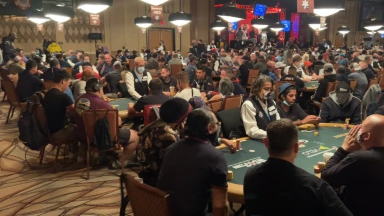
The WSOP was founded by Benny Binion in 1970 and was originally held at the
Horseshoe Casino in Las Vegas. The inaugural event was an invitational cash
game, and Johnny Moss was voted the first-ever champion by his peers. This
marked the beginning of a series that would become the cornerstone of
competitive poker.
Throughout the 1970s and 1980s, the WSOP began to attract a broader audience
as its prize pools and player participation grew. Iconic champions such as
Doyle Brunson, Stu Ungar, and Phil Hellmuth emerged during this period, each
cementing their legacy with multiple bracelet wins.
In 2003, the WSOP saw an explosion in popularity thanks to Chris Moneymaker’s
improbable win in the Main Event. His victory, after qualifying through a
$39 online satellite, inspired a global poker boom and solidified the WSOP’s
reputation as a tournament where anyone could achieve poker greatness.
The series continued to evolve, introducing new events like the Big
One for One Drop, which featured a $1 million buy-in and raised
millions for charity. In 2007, the WSOP expanded internationally with the
launch of the World Series of Poker Europe (WSOPE),
bringing the excitement of the WSOP to a global stage.
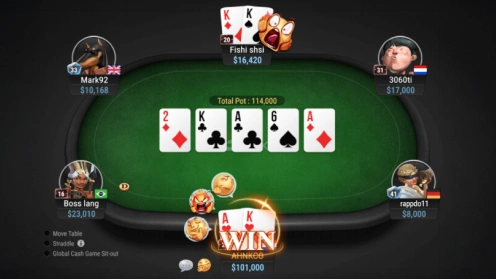
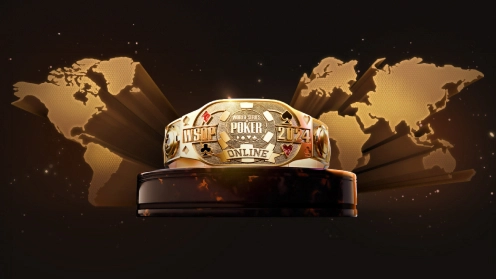
More recently, the partnership between the WSOP and GGPoker led to the
creation of the first-ever WSOP Online series in 2020. This groundbreaking
initiative set records for participation, including the largest online poker
prize pool in history. The WSOP remains a dynamic and ever-evolving series,
continuing to set the standard for competitive poker worldwide.



 中文 (中国)